Acute Care Training
Laerdal Global Health and the WHO Foundation will fund the World Health Organization (WHO) to scale up acute care training for health workers across several African countries. Join us in our mission to expand acute care training.
What is our goal?
Laerdal Global Health has announced a $12.5 million commitment that will:
- Fund WHO Basic Emergency Care (BEC) training in 400 hospitals across three African countries
- Deliver specially designed training kits for ongoing workplace-based training
Our goal now is to reach $25 million in contributions and bring this program to 1,000 hospitals in five or more countries, saving an estimated 50,000 lives every year. We hope Laerdal Global Health’s initial contribution will inspire more private and public partners to get in touch with us and discuss how they could join this cause to save lives.
Deaths due emergency conditions in 2019
Reduction in mortality due to BEC training
Global percentage of those that have received BEC training that are nurses & midwives
What is BEC Training?
The BEC course is a simple, structured training program created by the WHO to help health workers quickly recognize and manage emergencies. It helps doctors, nurses, and ambulance staff respond confidently in situations involving breathing problems, shock, injuries, or changes in mental state.
BEC training teaches a clear step-by-step method to handle common emergencies, such as injuries, infections, heart attack and stroke, and pregnancy complications. It’s practical for many different environments, from clinics, ambulances and hospitals to emergency situations like natural disasters or conflicts.
The impact of BEC in real-world situations.
Emergency care is a matter of life and death.
Every second, a life is lost to a time-critical emergency. Half of deaths globally, almost 30 million annually, are caused by emergencies, complications relating to trauma, sepsis, and childbirth.
Basic Emergency Care (BEC) Training equips health workers with the skills to act fast and save lives.
And we know it works, BEC has reduced mortality rates by up to 50%, scaling faster, halving the cost and doubling the impact.
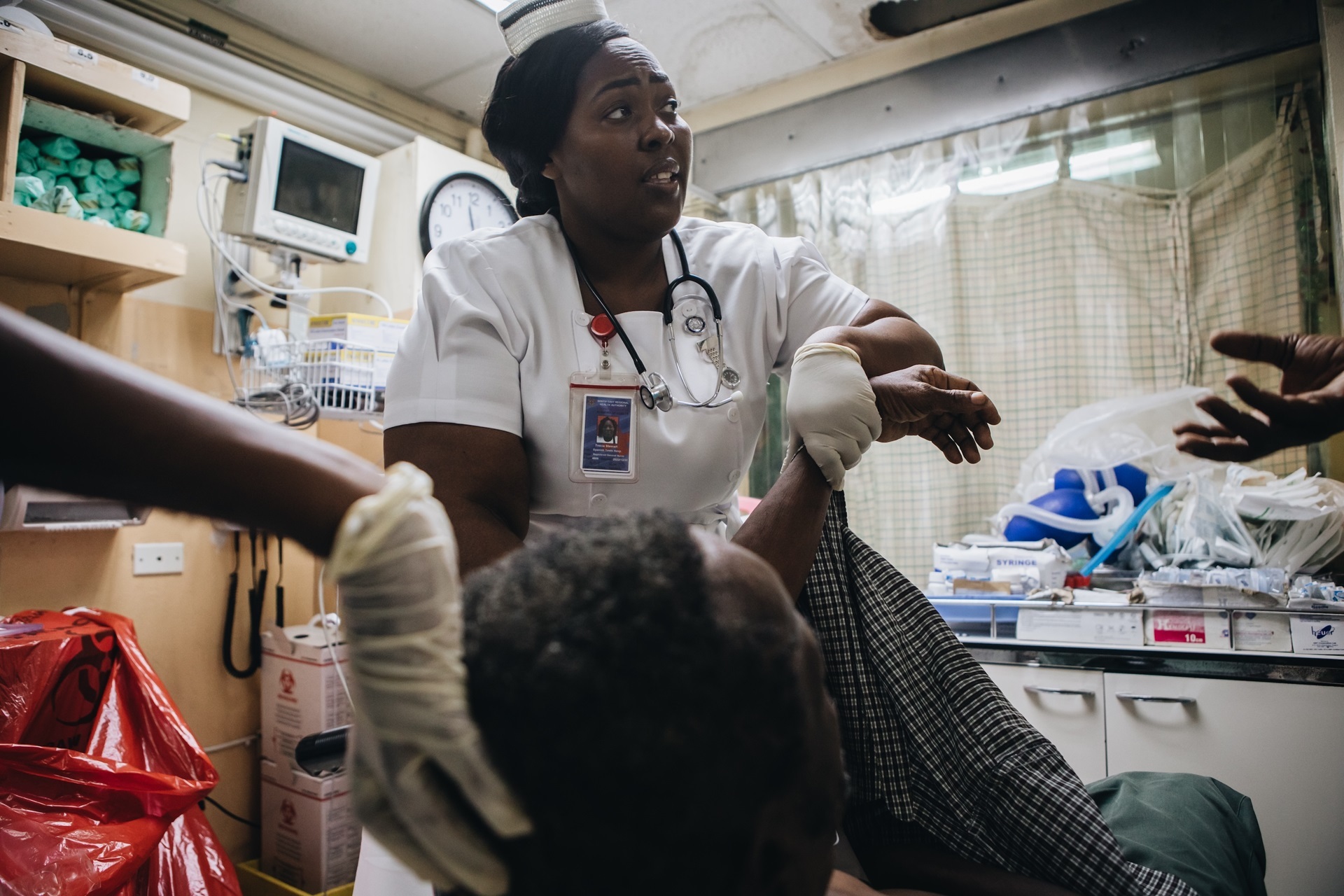
BEC training implementation in 17 hospitals across Nepal, Uganda and Zambia saw the number of children dying of emergency conditions decrease by up to 50 %.
By focusing on strengthening first-contact response to obstetric and paediatric emergencies those hospitals that had taken part in the programme saw even higher reductions in mortality across two key age ranges;
60.0% reduction in mortality for Under 5s.
59.8% reduction in mortality for Under 18s.
BEC is saving Children’s Lives.
BEC provides midwives, nurses, clinical officers, and doctors with crucial skills and a structured approach to rapidly assess and manage life-threatening complications during childbirth. These life-saving skills are sustained through regular scenario-based training and practice.
Evidence shows that BEC implementation can reduce deaths in hospitals by 35–50% by strengthening first-contact response to obstetric and paediatric emergencies.
BEC’s proven, innovative curriculum offers a scalable, affordable model for improving emergency readiness across a variety of facilities without requiring costly infrastructure, making it an ideal investment for high-impact results in resource-poor settings.
When dealing with trauma and sepsis, actions in the “first hour”are critical, as delays in referral to health facilities are a major cause of deaths. Currently around 48.9 million cases of sepsis occur each year, resulting in approximately 11 million deaths.
BEC training emphasizes the importance of the immediate stabilization of patients and offers a decision-making framework that helps identify when patients require urgent transfer to higher-level care.
Because BEC is designed for all health workers, it extends sepsis detection and initial management skills beyond doctors — to nurses, midwives, clinical officers — closing critical gaps in greatly improving the patients chance of survival.
Climate-related emergencies are projected to rise. Whether that’s mass casualties from floods and storms, burns from wildfires, or severe breathing difficulties from air pollution.
BEC’s simple, evidence-based protocols and scalable training model make it ideal for rapid scale-up in climate-vulnerable regions, where health systems must adapt to increasing acute care demands.
BEC helps create reliable referral pathways for climate-related emergencies, tailored for local climate risk, reducing delays in definitive treatment.
Climate change is already driving acute health crises; implementing BEC now will save lives today, while building the acute care infrastructure needed to withstand future climate shocks.
Days it takes to provide BEC training
Modules created to deliver the training
What is at risk?
Scaling up acute care is urgent because up to half of deaths in low- and middle‑income countries could be prevented with basic emergency treatment. Without rapid expansion of programs like BEC, countless patients suffering from pneumonia, traumatic injuries, diabetic emergencies, severe bleeding after childbirth, and other acute conditions risk dying needlessly. Failing to act means lifesaving care remains out of reach for millions.
How can you help?
Get in touch with our team to learn more about how your partnership could help expand BEC to more countries.
We aim to raise $25M to bring this program to 1,000 hospitals in five or more countries, saving an estimated 50,000 lives every year.
The power and potential of the WHO Foundation comes from its people. We are mission and values-driven and hold ourselves accountable for aligning our actions to our values.
Featured Stories
Learn more about Basic Emergency Care
Basic Emergency Care
Strengthening acute care systems saves lives, but urgent action is needed

Emergency Care Saves Lives
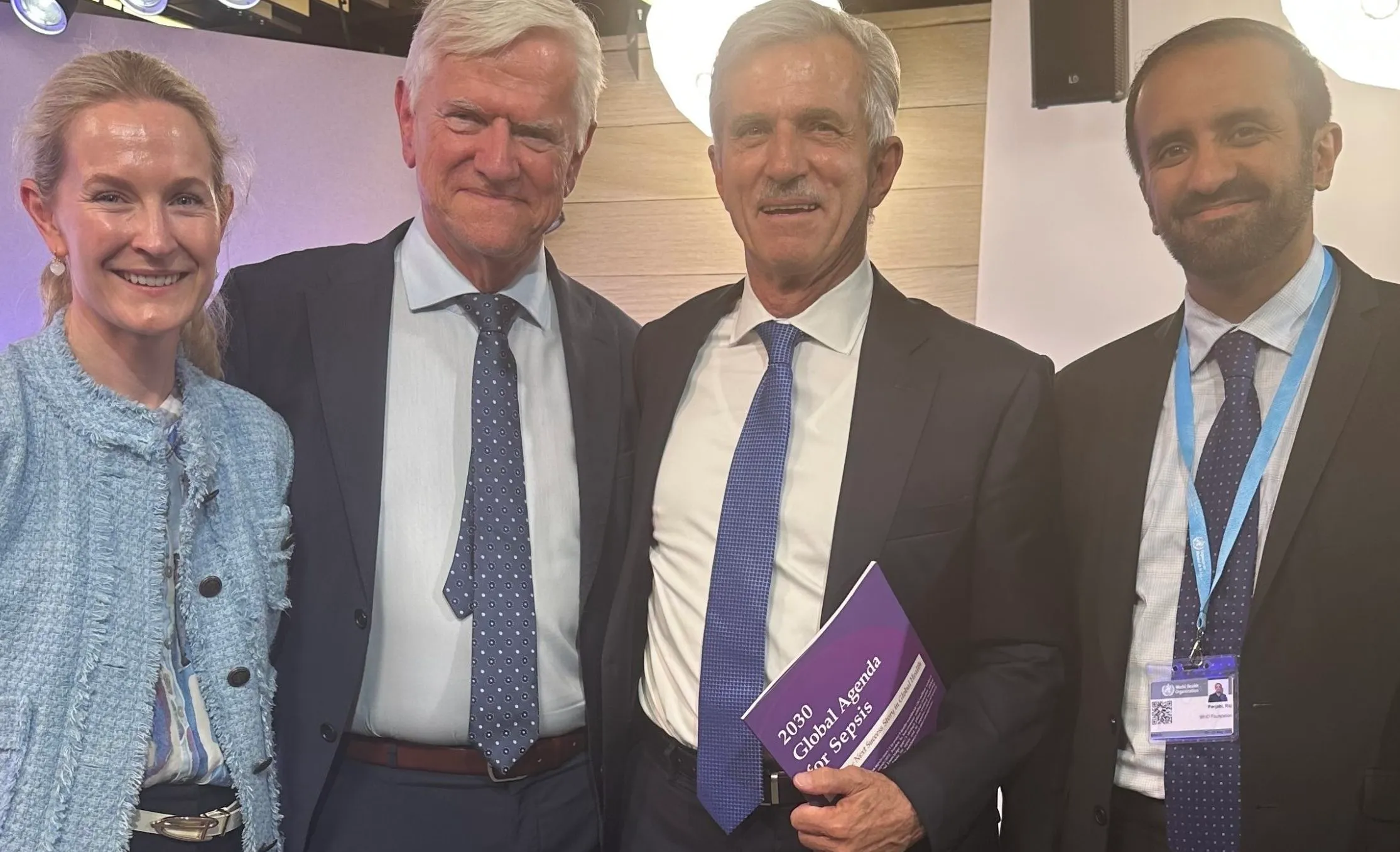
WHO Foundation and Laerdal Global Health announce US $12.5 million to launch massive Acute Care scale up
Speak to our team
